COD, E-Wallet or Credit Card: Which Is the Safest Way to Pay Online?
- Paying a seller directly outside the app has no buyer protection. Avoid it.
- COD protects you from sellers who never ship, but usually not from wrong or broken items.
- In-app e-wallet payments are protected by the platform; your OTP is the weak point.
- Credit cards add a bank chargeback on top of the platform's protection.
- Pay-later is a loan. Check the fees and due date before you use it.
At checkout you usually get a few choices: cash on delivery, an e-wallet like GCash, Maya or ShopeePay, a credit or debit card, and sometimes pay-later. Most people pick out of habit. But each option protects you in a different way, and the "safest" one depends on what can go wrong with that particular order.
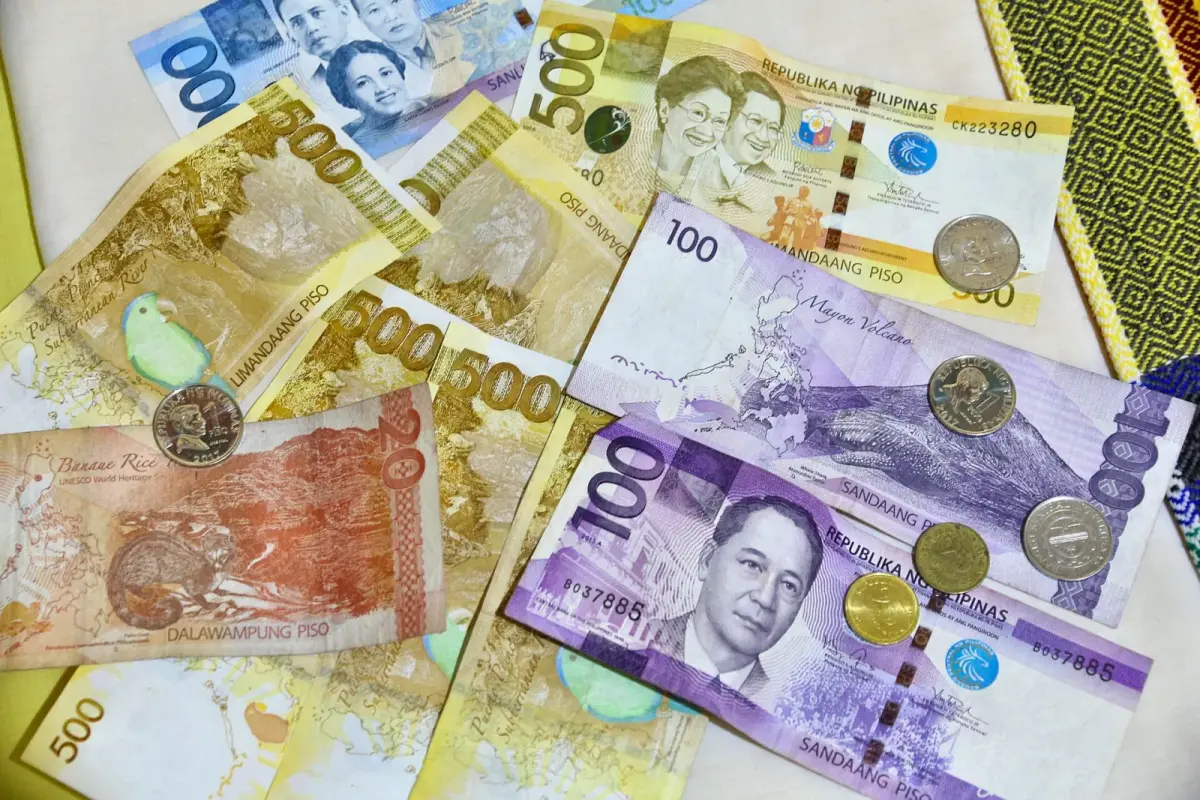
Photo: 08 Philippine peso PHP currency - banknotes and coins of Philippine money by Marek Ślusarczyk (Tupungato) Photo portfolio, CC BY 3.0, via Wikimedia Commons. Resized.
Here's how the common payment methods compare when you buy on Shopee, Lazada or TikTok Shop, and the one choice that's risky no matter what.
First, the method you should avoid
Paying a seller directly, outside the marketplace, by GCash, Maya or bank transfer. This is where most online shopping scams happen. Once you send the money, there's no checkout holding it, no platform to file a dispute with, and recovering it depends on how quickly you report and whether the scammer has already moved it. If a seller asks you to pay outside the app, even with a nice discount as bait, that's your cue to leave. Our guide to online shopping scams explains why this trick works so well.
Everything below assumes you're paying through the marketplace's own checkout.
Cash on delivery (COD)
What protects you: You don't pay until the parcel is in front of you, so a seller who never ships can't take your money.
Where it falls short: Couriers usually ask you to pay before you open the parcel, so COD doesn't mean you can inspect the item first. If what's inside is wrong or broken, you still go through the platform's return and refund process, same as any other payment. COD also has its own scam, where a parcel nobody ordered shows up and someone at home pays for it. Read about the fake COD parcel scam and make sure everyone at home knows to check the app first.
Good for: First purchases from a seller you're unsure about, and people who don't want to link a card or wallet. Keep the exact amount ready, and keep the receipt.
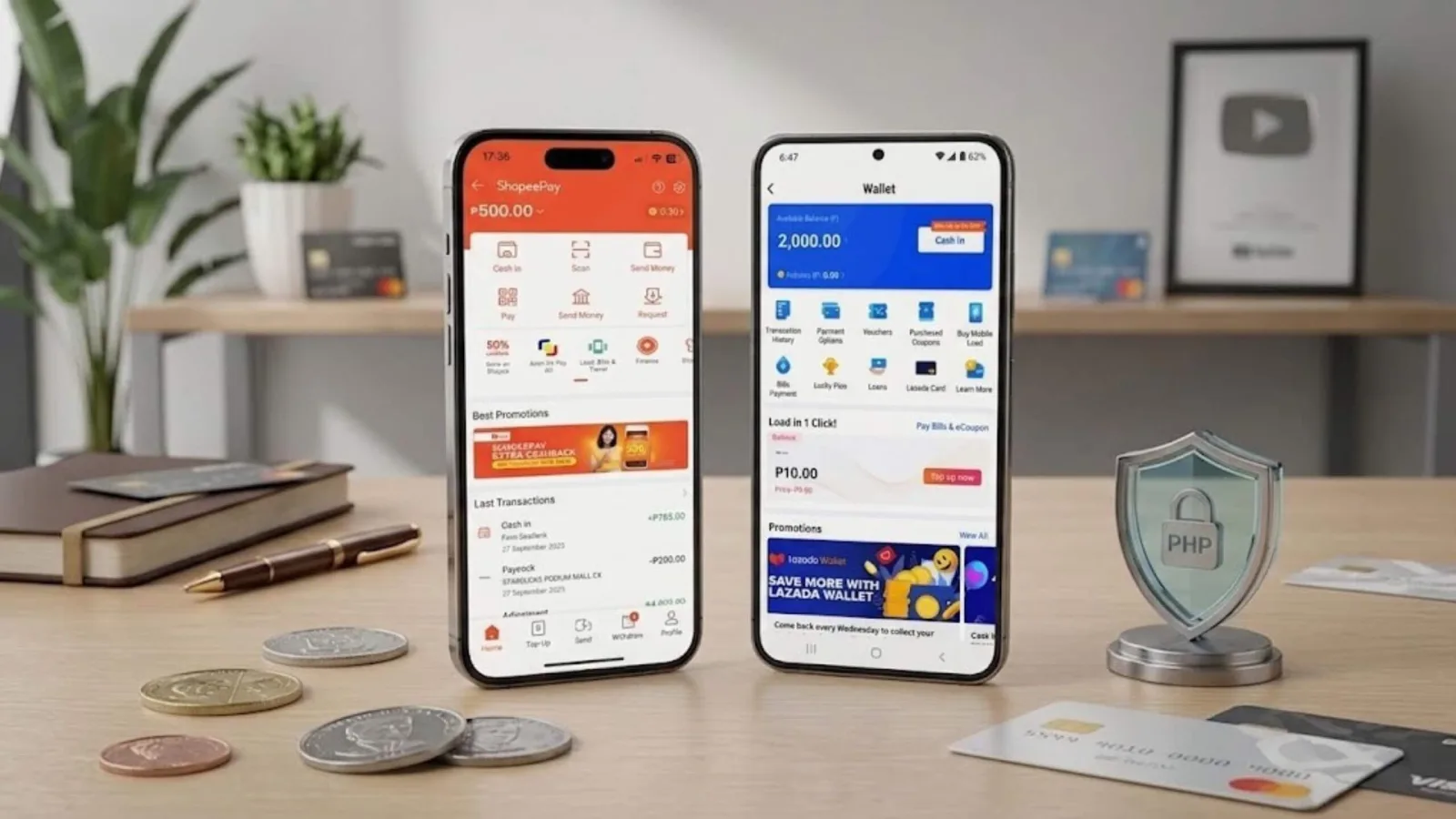
E-wallets (GCash, Maya, ShopeePay, Lazada Wallet)
What protects you: When you pay through the marketplace, the platform holds your payment until the order is completed, so you can file a return or refund request if something goes wrong. Paying is quick, and wallet promos can add savings during big sales.
Where it falls short: E-wallet accounts are a favorite phishing target, so your safety depends a lot on never sharing your OTP or MPIN. Refunds can also land in different places. With some payment methods on Shopee, refunds go to your ShopeePay balance, and an unverified wallet can make that money hard to withdraw. Our comparisons of ShopeePay vs Lazada Wallet and GCash vs Maya go into detail.
Good for: Everyday purchases, and sale-day checkouts when wallet promos are running. Verify your account and top up a day before big sales.
Credit cards
What protects you: Two layers. The marketplace's own buyer protection, plus your bank's dispute process. If an item never arrives, or a charge appears that you didn't make, you can ask your bank about a chargeback after trying the platform. Your card statement is also a clean paper trail. Some cards add rewards or bank promos on top.
Where it falls short: It's easy to overspend, and card details can leak if a site is compromised. Interest and late fees can wipe out any savings if you don't pay the full balance.
Good for: Bigger purchases, and anyone who pays the balance in full each month. Using a virtual card for online shopping limits the damage if the number ever leaks. See our guide to credit cards and bank promos for online shopping.
Debit cards
Debit cards work like credit cards at checkout, but the money comes straight out of your bank account. Dispute options exist but can be more limited and slower than with a credit card, and while a dispute is open, it's your own money that's missing. If you shop online with a debit card, consider keeping only a small balance in that account.
Pay later (SPayLater, LazPayLater and wallet credit)
These are loans. The purchase itself still has the marketplace's protection, but you owe the amount whether or not you end up happy with the item, and refunds may take time to reflect against what you owe. Read the processing fee, interest and due date before using them, and set a reminder. Useful for planned purchases during a big sale. Risky as a way to stretch a budget that's already tight.
Side by side
| Method | Main protection | Main risk | Best for |
|---|---|---|---|
| COD | You pay only when the parcel arrives | Usually can't inspect before paying; fake COD parcels | First orders from unfamiliar sellers |
| E-wallet (in-app) | Platform holds payment until the order is done | Phishing; refunds may go to the wallet | Everyday buys and sale promos |
| Credit card (in-app) | Platform protection plus bank chargeback | Overspending, interest, leaked card details | Bigger purchases, full payers |
| Debit card (in-app) | Platform protection; some bank disputes | Disputes tie up your own money | Small purchases with a low-balance account |
| Pay later | Platform protection on the purchase | Fees, interest and missed due dates | Planned buys you can repay on time |
| Direct transfer to seller | None | No buyer protection at all | Avoid |
What we'd do
For a seller we've never bought from, COD or an in-app e-wallet payment. For an expensive gadget from an official store, a credit card paid in full, ideally a virtual one. For sale-day hauls, whichever wallet or card has a real promo running, paid inside the app. And never a direct transfer to a seller, whatever discount they're offering.
Whichever method you choose, the basics don't change: check the seller first, film the unboxing, and know how to file for a refund if you need to.
Comments 0
Wala pang komento. Be the first to comment!
Leave a Comment