How to Check If an Online Seller Is Legit in the Philippines (and Spot Fake Reviews)
- Judge the shop before the product: age, ratings, response rate and what else it sells.
- Read the 1-star and 3-star reviews first, and look for real photos.
- Many near-identical 5-star reviews on the same day are a warning sign.
- A branded item at half the official price is almost always a fake or a scam.
- A seller who wants payment outside the app is the clearest red flag.
Most bad online purchases could have been avoided in the two minutes before checkout. A shop that opened last week, reviews that all sound the same, a seller who wants GCash instead of the app's checkout. The signs are usually there. You just have to know where to look.
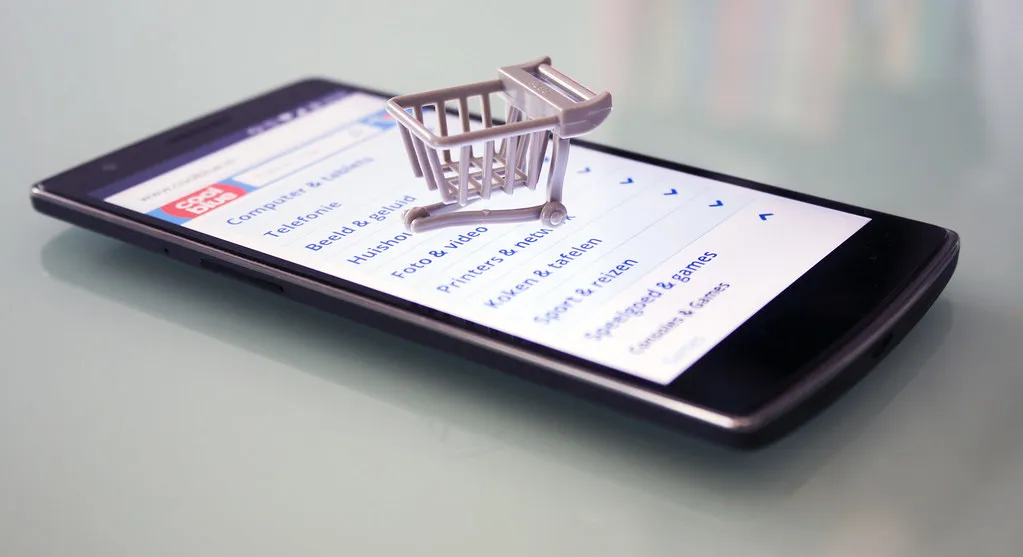
Photo: Online shopping by Robbert Noordzij, CC BY 2.0, via Flickr. Resized.
This is the checklist we'd use before buying from a seller we don't know, on Shopee, Lazada, TikTok Shop or Facebook. It covers the shop itself, the reviews, the listing, and how the seller wants to be paid. For what to do if something has already gone wrong, see our main guide to online shopping scams in the Philippines.
Start with the shop, not the product
A great price tells you nothing about whether the item will arrive. The seller's history tells you a lot.
On Shopee and Lazada, open the shop page and look at a few things. How long has it been around? A shop that joined a few weeks ago and is selling expensive electronics at a big discount is a classic warning sign. How many products does it list, and do they make sense together? A store selling phones, perfume, car parts and baby clothes with no obvious theme is often a reseller of questionable stock. What's the chat response rate? Real shops usually reply within a day. And how many followers and ratings does it have overall, not just on the item you're looking at?
Official labels help. Shopee Mall and LazMall stores are brands or authorized sellers, and they usually come with clearer return policies. They aren't a guarantee of a perfect experience, but they cut down the risk of fakes a lot, especially for gadgets, skincare and branded items. On TikTok Shop, look for the official brand store or a creator with a long selling history rather than a brand-new account.
How to read reviews properly
The average star rating is the least useful number on the page. A 4.9 can be bought. What's harder to fake is detail.
Go to the 1-star and 3-star reviews first. That's where buyers explain what actually went wrong: the item was smaller than shown, it stopped working after two weeks, the seller sent a different color and refused to fix it. If you see the same complaint again and again, believe it.
Then look for the patterns that suggest fake or paid reviews. Lots of 5-star reviews posted on the same day or within a few days of each other. Reviews with almost the same wording, like "Nice product! Fast delivery! Good seller!" repeated with small changes. No photos, or the same stock photo in several reviews. Reviews that talk about the seller but never about the product. And reviews that clearly describe a different item, which happens when a seller reuses an old listing that already had good ratings.
The most trustworthy reviews are a little messy. They mention a specific detail, include a real photo taken at home, and sometimes have a small complaint even when the rating is high.
Check the listing itself
Compare the listing photos with the review photos. If the seller's pictures are glossy studio shots and every buyer photo shows something cheaper looking, the review photos are the truth.
Read the product title and description closely. Sellers sometimes stuff a brand name into the title of a generic item ("compatible with," "style," "inspired") so it shows up in searches. If you want the real brand, the listing should say it's an original product, and ideally be sold by the brand's official store.
Look at the variations too. A common trick is to list a very low price that only applies to a cheap accessory or a "sample" option, while the actual product you want costs much more. Check which variation the price belongs to before you get excited.
And compare the price with the official store. A popular branded item at half the official price almost always means a fake, a damaged unit or a scam. Our guide to spotting fake products online goes deeper on this.
Search outside the app
This takes thirty seconds and catches a lot. Search the shop or page name on Google and Facebook together with words like "scam," "legit," "complaint" or "hindi dumating." If other buyers have been burned, they usually post about it in groups or comment sections.
For a shop with its own website, check how old the domain is with a domain lookup tool, and look for a real address, a working phone number or email, and a returns policy you can actually read. Remember that a padlock icon in the browser only means the connection is encrypted. Scam websites have padlocks too.
Watch how they want to be paid
This is the clearest signal of all. A legitimate seller on a marketplace is happy for you to pay through the app, because they get paid either way. A scammer wants you outside the app, where there's no buyer protection.
Be very careful if a seller asks you to message them on Messenger, Viber or WhatsApp to "get a discount," asks for full payment by GCash, Maya or bank transfer before shipping, offers a lower price if you cancel the app order and pay directly, or suddenly asks for an extra fee after you've paid. Any one of these is a good reason to walk away. For a full comparison of payment options, read COD, e-wallet or credit card: which is safest.
Buying from Facebook sellers
Facebook Marketplace and buy-and-sell groups have real bargains, but there's no checkout protecting you. If you buy there:
- Look at the seller's profile. A brand-new account, few friends and no history of posts is a red flag.
- Check whether the same photos appear on other pages, using a reverse image search.
- Prefer meeting in a public place, or COD where you can see the item.
- Avoid paying the full amount upfront to someone you can't verify. If you must send a deposit, keep it small and keep every screenshot.
- Be suspicious of pages that turn off comments, since that's often where complaints would be.
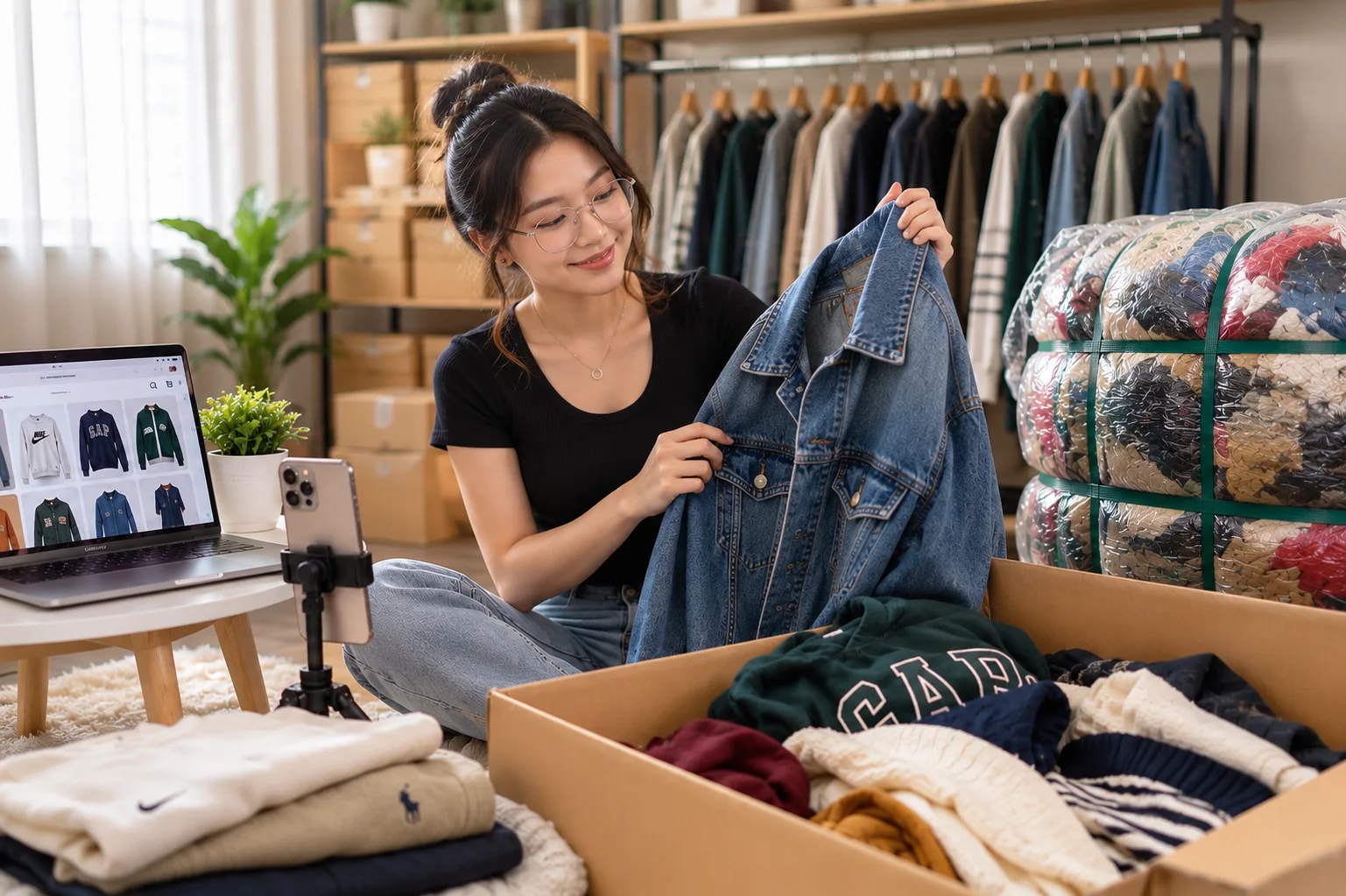
- Buying ukay bales or wholesale stock? Our guide to buying ukay-ukay bales online covers the supplier red flags.
The DTI E-Commerce Philippine Trustmark
The Department of Trade and Industry issues the E-Commerce Philippine Trustmark under the Internet Transactions Act (RA 11967) to online businesses that register and agree to its consumer protection standards. A real badge has a QR code that opens the DTI's own verification page. If the code leads to some other site, treat the badge as fake. Since the program is still being rolled out, a missing badge doesn't automatically make a seller dishonest. A verified one is simply a good extra sign, especially for big purchases.
Your two-minute checklist
- Shop age, ratings and response rate look normal
- Official, Mall or LazMall label for branded items
- 1-star and 3-star reviews read, with no repeated serious complaint
- Review photos match the listing
- Price makes sense compared with the official store
- The price shown is for the variation you actually want
- A quick search for "[shop name] scam" turns up nothing worrying
- Payment stays inside the app
If something fails the check, you don't have to prove the seller is a scammer. You can just buy from someone else. There's almost always another shop selling the same thing.
Found a good seller and ready to buy? Our guide to stacking Shopee vouchers helps you pay less, and if the item turns out wrong, here's how to return it and get a refund.


Comments 0
Wala pang komento. Be the first to comment!
Leave a Comment