Fake COD Parcel Scam in the Philippines: What to Do
- Don't pay for a COD parcel you don't recognize. Check your order history and ask everyone at home first.
- Your name and address on the label don't prove the order is real. Those details leak.
- Compare the sender, tracking number and COD amount with the app before paying.
- If someone already paid, keep the parcel, waybill, receipt and packaging as evidence.
- Delivery texts with links should be checked in the official app, never through the link.
- No rider, caller or texter ever needs your OTP, PIN or password.
The doorbell rings. A rider is holding a COD parcel with your name and address on it, but you can't remember ordering anything. Your first thought is that maybe someone else at home did. Maybe. Or maybe nobody did, and that's exactly what the sender is counting on.
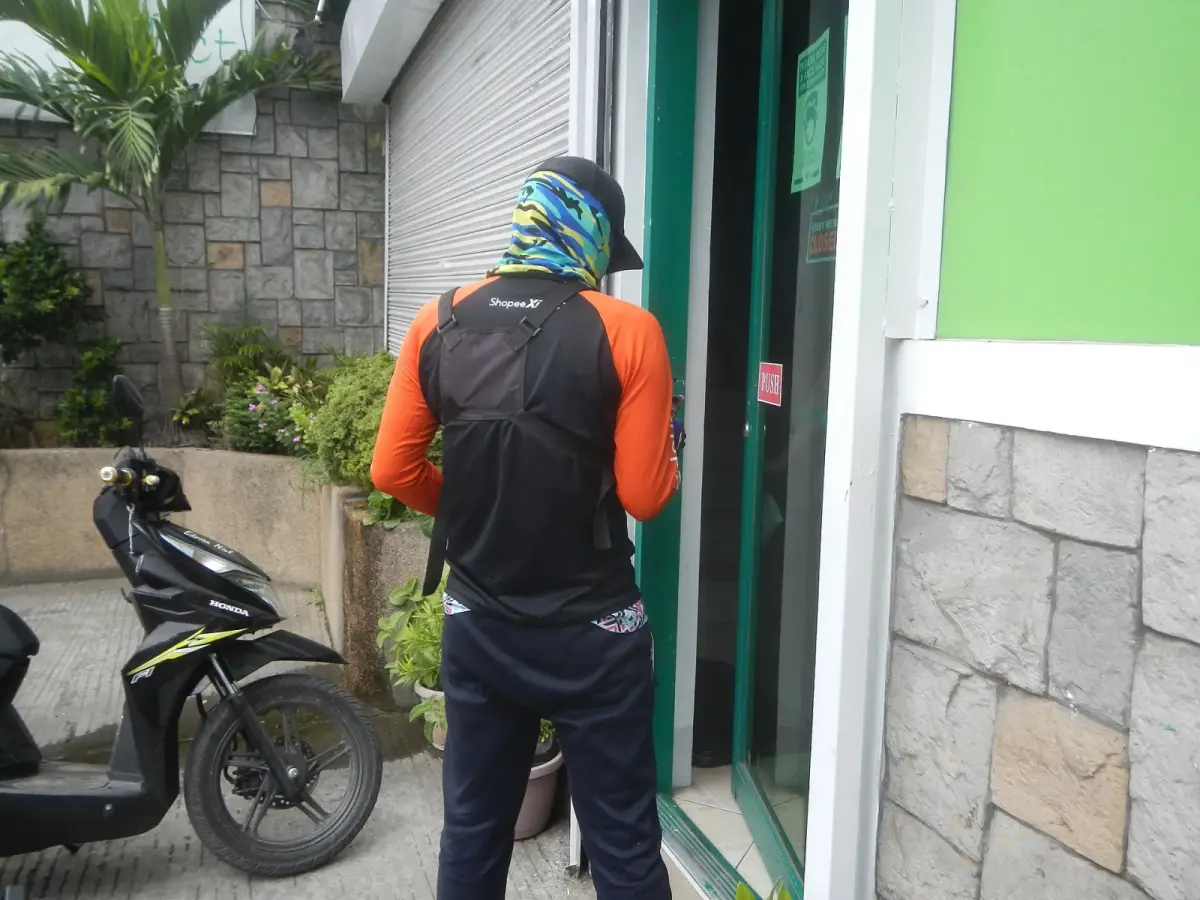
Photo: 1887Shopee Xpress Shopee Philippines 05 by JFVelasquez Floro, CC0, via Wikimedia Commons
Fake COD parcels work because people pay before they check. A surprised family member, a rider who's in a hurry, a name and address that look right. Not every unexpected parcel is a scam, though. Sometimes a real courier delivers to the wrong house, or an order goes out with mixed-up details. The point is to verify before any money changes hands.
Here's what to do whether you haven't paid yet, someone at home already paid, or all you got was a suspicious "delivery" text. For other common traps like phishing links and fake sellers, see our full guide to online shopping scams in the Philippines. This is general information, not legal advice.
The short version
- Don't pay yet.
- Open Shopee, Lazada, TikTok Shop or whatever app you use and check for an order on the way.
- Ask everyone at home.
- Take photos of the parcel, the waybill, the tracking number and the COD amount.
- If nothing matches and nobody recognizes it, politely decline.
- If it's already been paid, keep everything: parcel, receipt, waybill, packaging.
Your name and address being on the label proves nothing. Those details leak all the time.
If you haven't paid yet
Ask around first, before the rider leaves. Someone may have ordered and forgotten to mention it, used a different account, or had a gift sent to your address. If nobody owns up to it, you can decide calmly.
Then check the app instead of relying on the waybill. Compare the item, seller, COD amount, tracking number and expected delivery date with what's on the parcel. If nothing lines up, you have your answer.
Look at the waybill itself. It should show a sender or merchant, the tracking number, your name and address, the courier and the amount. A missing merchant name doesn't automatically make it fake, but vague or inconsistent details are reason enough not to pay.
Snap a few photos: the front of the parcel, the waybill, the tracking number, the amount. Just don't post the whole waybill online, since it usually shows your full name, address and phone number.
If nothing matches, decline. Something as simple as "Wala po kaming record ng order na 'to, kaya hindi po muna namin tatanggapin" is enough. There's no need to argue. Riders deliver whatever the courier's system assigns them and usually have no way of knowing whether an order is real. If the rider pushes, repeat that you can't verify it.
If someone at home already paid
This happens more than you'd expect. A parent, helper, sibling or spouse sees a familiar name and address and pays, assuming someone else ordered it.
First, keep everything, even if the parcel has been opened: the item, the packaging, the waybill, the receipt, proof of payment, and any delivery texts or chats. That's your evidence.
Next, check whether the order exists. If it shows up in your app but the item is wrong, damaged or different from the listing, go through the platform's normal return or refund process. If there's no matching order anywhere, the parcel probably didn't come through an official checkout, so contact the courier directly through its website, app or verified support line. Have the tracking number, delivery date, COD amount and a short explanation ready.
If you think the payment itself was fraudulent, or that someone got into your account, contact your bank or e-wallet through its official app or website. Not a number or link from a text. Tell them what happened, how much was paid, when, and what proof you have. Getting the money back isn't guaranteed, and it depends a lot on the payment method and how quickly you report, but early reports do better.
Signs it might be a fake COD parcel
One odd detail isn't proof. Several together is a good reason to slow down.
| Red flag | What it looks like | What to do |
|---|---|---|
| Unordered COD parcel | Nobody at home knows about it | Check your order history |
| Unknown sender | No clear merchant on the waybill | Ask for details and verify |
| Odd COD amount | It doesn't match anything you expected | Don't pay |
| No matching order | Not in Shopee, Lazada or TikTok Shop | Contact the courier or platform |
| Pressure to pay now | "Wala nang oras, bayaran n'yo na" | Stay calm and verify first |
| Details don't add up | Sender, item, amount or tracking info conflict | Document it and look into it |
| Suspicious delivery text | A link to confirm your address or pay a fee | Don't click; check the official app |
| Someone asks for an OTP | "We need your OTP to process the refund" | Never share it |
Checking a delivery safely
Always go through the official app or website, never through a link in a message you weren't expecting. For a marketplace order, open the app, find the order and compare it with the parcel. Use the app's help center if something's off. For a courier delivery that doesn't appear in any shopping app, go straight to the courier's official site or app and type in the tracking number yourself. Still doesn't match? Contact the courier's support, not the number printed on the parcel or in a text.
When it starts with a text message
Sometimes there's no rider at all, just an SMS. Your parcel couldn't be delivered. There's a small redelivery fee. Your package is on hold. Click here to confirm your address.
Don't click. Screenshot the message and the sender's number, then check your shopping or courier app on your own to see whether anything's actually pending. Don't enter a password, card number, PIN or OTP on a page you reached from a text. Report the message to the courier, the platform or your mobile network through their official channels.
Where to report
It depends on where the order came from and how it was paid.
- Marketplace order: report it in the app through the order page or help center, and attach the order details, parcel photos, waybill, proof of payment and screenshots.
- Not in any app: contact the courier directly with your tracking number and photos.
- Bank or e-wallet concerns: contact the provider through its official channels and follow its steps to secure your account.
- Complaint against a business or seller: DTI Consumer Care, hotline 1-384, or its online complaint system. Bring a clear summary and your evidence.
- Phishing, identity misuse or what looks like an organized scam: the CICC hotline at 1326.
Whichever route you take, don't delete or edit the original messages and screenshots.
Can you get the money back?
If the parcel came from a real order that turned out wrong, follow the normal process in our returns and refunds guide.
Sometimes. It depends on where the order came from, how it was paid, how much proof you have and how fast you reported. A real marketplace order should go through the normal return or refund process. Anything outside a recognized platform is harder and may mean working with the courier, the payment provider or a government agency. Cash is the hardest to trace because there's no digital record, but the receipt, waybill and parcel still help when you report.
Making it a house rule
The easiest protection is a routine everyone at home follows:
- Nobody pays for a COD parcel until the order is confirmed in the app.
- The item and amount have to match what the app shows.
- Delivery links in texts get ignored. Tracking happens in the official apps only.
- No one shares an OTP, PIN or password with a rider, caller or texter. Ever.
- Receipts and proof of payment stay until you're sure the order is right.
Walk the whole household through this, especially whoever usually answers the door. It takes a minute, and it can save you from paying for a ₱1,000 keychain.

Comments 0
Wala pang komento. Be the first to comment!
Leave a Comment